Some stories don’t just beg to be read. They demand to be seen.
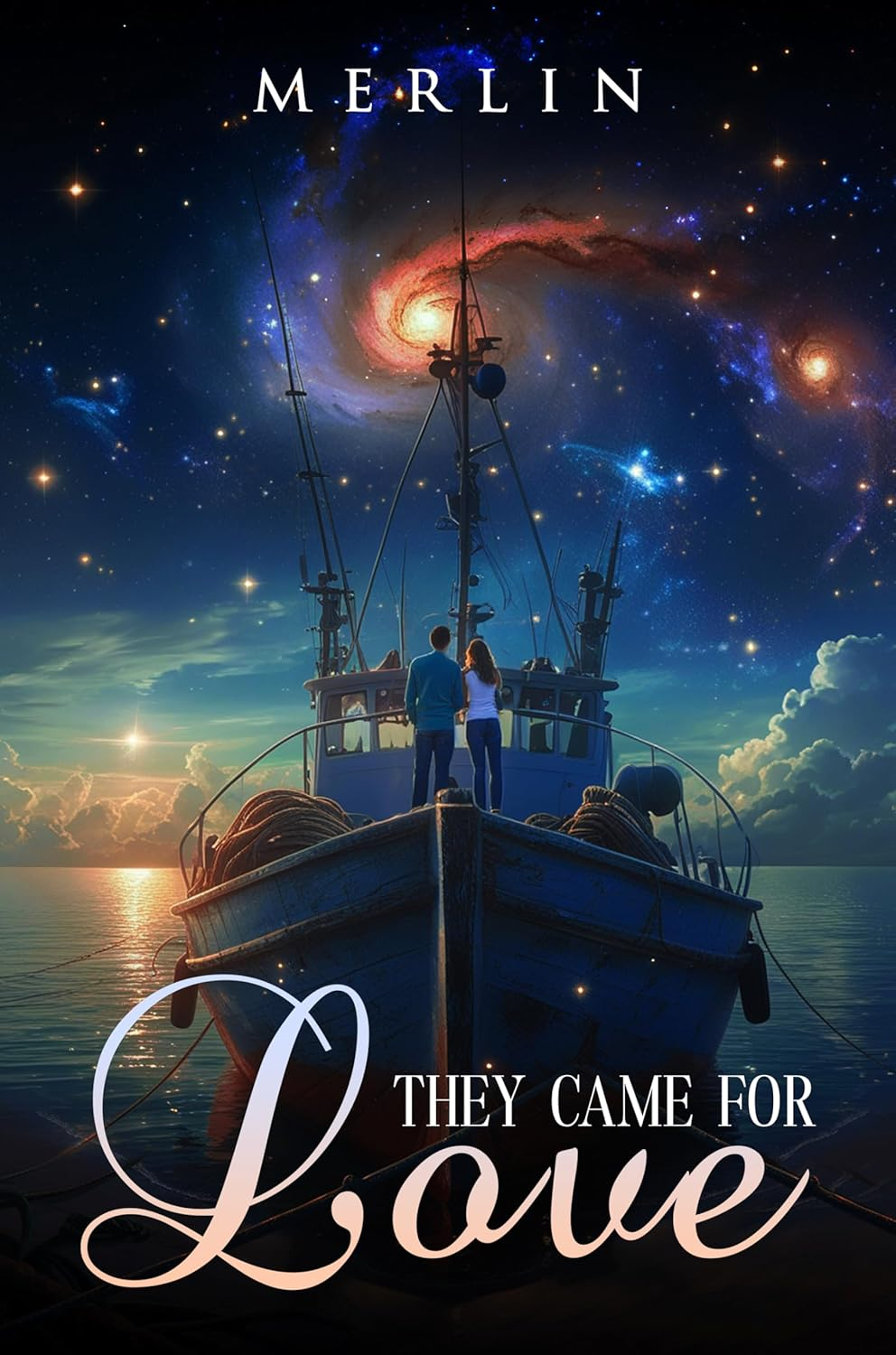
That’s the undeniable feeling you get from They Came for Love. This Southern suspense novel simmers with atmosphere, intrigue, and unforgettable tension. From the opening pages, this book crafts scenes so vivid, you can already picture the salt spray on the camera lens, the low hum of sonar beneath the score, and the wide shots of the Georgia coast at sunset. Simply put, this story was born for the screen.
First and foremost, it’s the setting. The marshy coast of Georgia is a living, breathing character. The author is able to paint it with such precision that it cries out for cinematography. Fog rolling over tidal rivers, shrimp boats slicing through golden water, weathered men working beneath rust-stained gear. A visual medium would elevate the book’s gritty maritime world, capturing the beauty and the bleakness of life at sea in a way that honors its tone and realism.
Then there’s the main character: Lee-Mo. His first-person voice drives the entire novel, giving us humor, grit, heartache, and suspicion all in one Southern drawl. Casting a seasoned, character-driven actor in this role could provide audiences with a new kind of working-class hero. He is a deckhand, a man of the water, caught in something far above his pay grade. That tension between his grounded world and the growing mystery translates powerfully to film.
And what a mystery it is. They Came for Love transitions from a slow-paced maritime tale to a full-on thriller as the crew of the Sea Raven stumbles into something unexplainable beneath the sea. We get eerie sonar readings, lights in the deep, and a sudden bounty of shrimp that makes no biological sense. Think of the suspense this could bring to the big screen? A camera alternating between bewildered crew members and throbbing underwater shadows, flashing sonar blips, and a soundtrack that heightens the suspense as the water churns would make this an immediate hit.
Moreover, the genre shift is done so masterfully that it lends itself to cinematic pacing. The first act is all about world-building and character. It is a slow crawl into the lives of real people. The second act introduces an ominous presence beneath the waves and unexpected government attention. And the third? That’s where it explodes into a high-stakes mystery filled with interrogations, abductions, military helicopters, secret bases, and whatnot. It’s suspense layered with science fiction, but always grounded in realism.
A film adaptation could lean into this genre-bending structure. Think The Perfect Storm meets Close Encounters of the Third Kind, or Captain Phillips with a paranormal twist. Adopting this narrative on the big screen wouldn’t just provide a thrilling experience. It would unsettle, mystify, and inspire conversation.
Finally, there’s the emotional core. Beneath the supernatural and thriller elements, They Came for Love is a story about human endurance and connection. Lee-Mo’s relationships with his crewmates, with Cindy Lou, and with the sea itself are what give this story its heart. A film could elevate those moments, using silence, glances, and carefully framed shots to express what the book conveys through Lee-Mo’s internal dialogue.
In a world of blockbuster reboots and sequels, They Came for Love offers a perfect script. When the credits eventually roll, you’ll be glad you got in on the story before Hollywood came calling.
If you haven’t read it yet, now’s the time. Head to Amazon to purchase your copy.